What TEREA Sticks and ILUMA Devices Are Made Of, and How to Dispose of Them
What TEREA Sticks and ILUMA Devices Are Made Of, and How to Dispose of Them
Turn a TEREA stick over in your hand and it looks simple: a short, stiff rod with a filter end and a tobacco end. But the object is a small engineered assembly, and the device that heats it is an assembly of its own. If you are the kind of adult buyer who reads the back of the pack before ordering, the useful questions are what these components are made of, how the heating works, and where each part should go when you are finished. This article walks through the materials and the disposal practicalities, and it also explains where to buy TEREA online if you want to check pack and device details before you commit.
What a TEREA Stick Is Actually Made Of
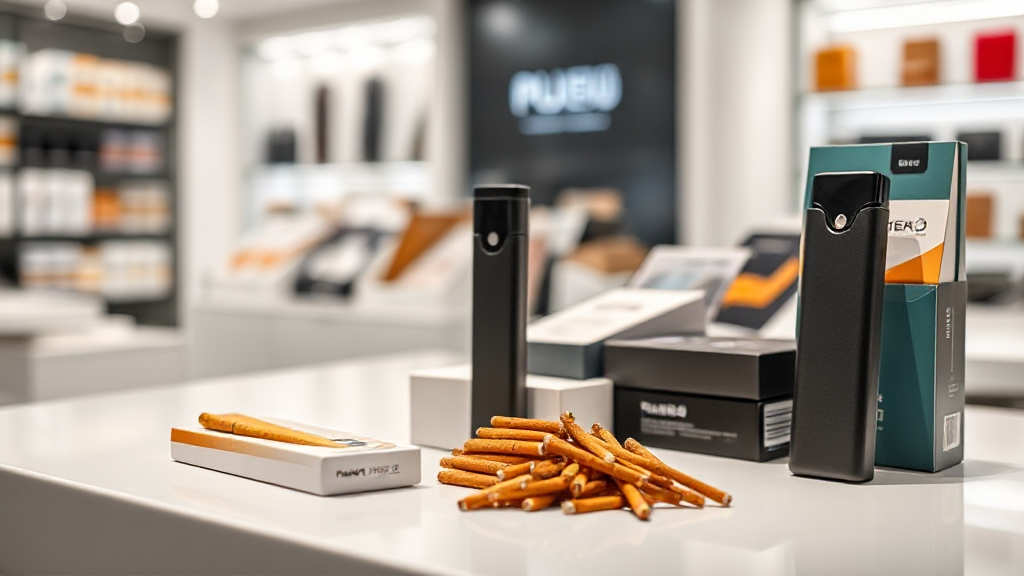
A TEREA stick is a heat-not-burn tobacco product designed for IQOS ILUMA devices. Unlike a conventional cigarette, it is not meant to be lit. The device heats the tobacco from the inside, and the stick is built around that heating method. The main physical components are the tobacco plug, a hollow filter section, a wrapper, and a metal element embedded in the stick that the device reads and heats inductively.
The tobacco itself is processed and formed rather than loose leaf, which is why the plug holds its shape. The wrapper is paper-based and carries the printed information you would expect on a tobacco product. The filter is a formed section, and the metal piece is the part that makes ILUMA heating possible. That metal component is the single most important difference between TEREA and older heated-tobacco sticks, and it is also the part that matters most when you think about waste.
Why the Metal Element Changes the Picture
Older heated-tobacco systems used a blade or pin inside the device to heat the tobacco. TEREA moved the heating element into the stick itself, so the device no longer has a blade to clean. For the user, that means less maintenance and no broken blades. For disposal, it means every used stick contains a small piece of metal mixed with tobacco and paper. That mixed construction is the reason TEREA sticks do not belong in a paper recycling bin.
How ILUMA Devices Are Built
An ILUMA device is a handheld electronic unit with a battery, a heating chamber, control electronics, and an outer shell. The shell is typically a rigid plastic or polymer, and the internal frame holds the induction coil that powers the stick. The battery is rechargeable lithium-based, which is standard for small consumer electronics. The device also has charging contacts, a power button, and indicator lights.
Because the heating element sits in the stick, the ILUMA chamber has no exposed blade. That design choice reduces cleaning and makes the device easier to maintain day to day. It also means the device and the stick are a matched pair: TEREA sticks are made for ILUMA, and other stick ranges are made for other holders. If you are ordering, check compatibility before you add anything to a cart, because a stick that does not match your device will not work as intended.
Materials You Will Notice in Daily Use
- Polymer shell: the outer body, which is wipe-clean but not indestructible.
- Rechargeable battery: the heaviest and most environmentally significant part of the device.
- Induction coil and electronics: sealed inside and not user-serviceable.
- Charging contacts: metal points that benefit from occasional cleaning.
None of these parts are designed to be repaired at home. That is a normal trade-off for a compact consumer device, but it shapes how you should think about end-of-life handling.
Packaging, Wrappers and the Waste Stream
When you buy TEREA online, the product arrives in retail packaging plus outer shipping materials. The retail pack is a carton, and the sticks inside are individually wrapped. The outer shipping box and paper padding are usually the easiest items to recycle, provided your local service accepts them. The carton may or may not be accepted depending on local rules, so check the symbol on the pack rather than assuming.
The individual stick wrappers are a different matter. They are small, light, and often made of a material that is not accepted in paper recycling. In practice, the safest approach is to treat them as general waste unless your local authority explicitly says otherwise. The same caution applies to any plastic film used in shipping. Reading the packaging is not pedantry here; it is the difference between a clean waste stream and contamination.
A Simple Sorting Routine
- Separate the outer shipping box and paper padding for recycling where accepted.
- Check the retail carton for a recycling symbol and follow local rules.
- Put used sticks and their wrappers in general waste, not paper recycling.
- Keep the device out of household waste until you are ready to dispose of it properly.
Used TEREA sticks are mixed-material items and should not go into paper recycling. That single rule prevents most of the confusion people run into.
Disposing of Used Sticks and Spent Devices
Used sticks should be allowed to cool before handling, then placed in general waste. Do not flush them, compost them, or put them in a recycling bin. The tobacco, paper, filter and metal element are bonded together, and most municipal systems cannot separate them. If your area has a specific collection point for tobacco products or small mixed waste, follow that guidance instead.
Devices are the bigger question. An ILUMA device contains a lithium battery, so it should never go into a normal household bin. Many countries require small electronics and batteries to be taken to a designated collection point, a retailer take-back scheme, or a local recycling centre. Before you dispose of a device, check whether it can be returned through a take-back programme. If it still holds a charge, discharge it safely and tape the contacts if your local guidance asks you to.
What to Do Before You Retire a Device
Clean the contacts, remove any stick, and check the manufacturer’s guidance for end-of-life handling. If the device is still working, consider whether someone else in your household can use it rather than discarding it. If it is faulty, follow the seller’s or manufacturer’s support process first. Disposal should be the last step, not the first.
What to Check Before Ordering TEREA Online
Buying online adds a layer of practical checks that a shop counter handles for you. Confirm that the stick range matches your device, confirm the pack size and flavour name, and confirm the seller’s delivery and returns terms. A legitimate seller lists the product clearly, shows the pack details, and provides secure payment options. If a listing is vague about what is in the box, treat that as a warning sign.
Age verification also matters. TEREA is a tobacco product for adults, and reputable sellers will ask you to confirm you are of legal age in your country. Delivery rules vary across Europe, so check that the seller ships to your location and that you understand any local restrictions before you order. Fast delivery is useful, but clear product information and lawful sale are more important.
Reading a Product Page Properly
- Device compatibility: confirm the sticks are made for your ILUMA model.
- Pack contents: check the number of sticks and the flavour name.
- Seller terms: read delivery, returns and payment information.
- Age and location rules: make sure you can legally receive the order.
A few minutes of checking avoids the common mistake of ordering the wrong stick range or expecting delivery where it is not permitted.
Practical Takeaways for the Conscious Buyer
TEREA sticks are engineered assemblies, not simple paper tubes. The tobacco plug, wrapper, filter and embedded metal element are bonded together, which is why used sticks belong in general waste. ILUMA devices are small electronics with a rechargeable battery, so they need proper end-of-life handling through battery or e-waste collection. Packaging is the part most likely to be recyclable, and only where local rules accept it.
The practical routine is short: sort packaging by local rules, keep used sticks out of paper recycling, and never bin a device with a battery. When you are ready to restock, buy from a seller that shows clear product details, states its delivery terms, and verifies age. That combination of reading the pack and handling the waste correctly is what separates a considered purchase from an impulse one.
Related articles
- Five Minutes to a Better Golf Cart: Mistakes That Cost You Money on Ambergris Caye
- Lightweight Blogger Templates: Speed, Rankings, and Less Waste
- The Hidden Footprint of Always-On Entertainment Platforms Like QQ333
- When a Drain Keeps Coming Back: Fixing the Real Problem with a Desentupidora Horto Florestal
- Three Mistakes That Wreck a Crackers Order Online
- একটি বাজির পেছনের যন্ত্রকৌশল: tk999 কীভাবে চলে