Preparing for tk999: What I Learned Before My First Real Session
Preparing for tk999: What I Learned Before My First Real Session
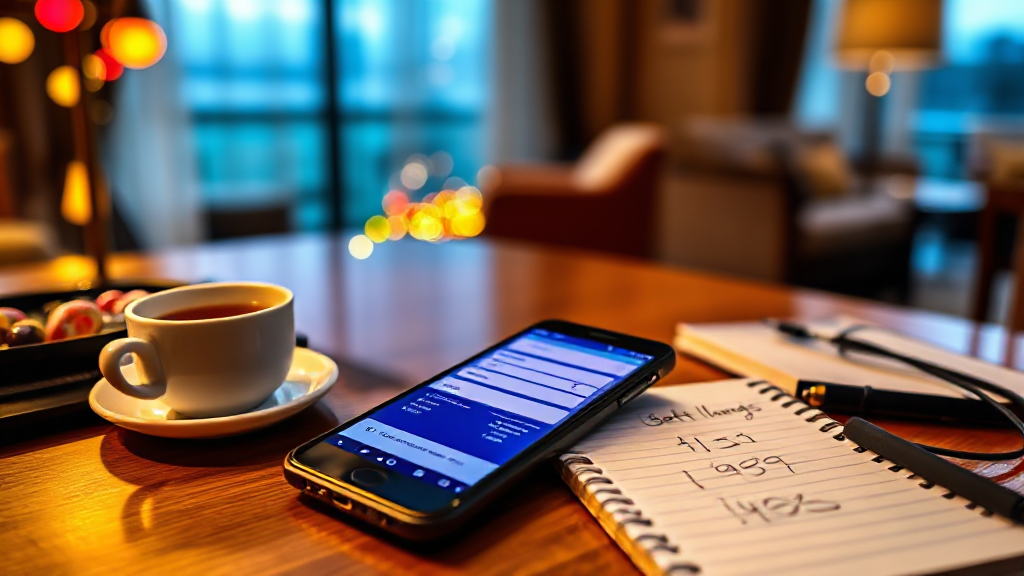
I still remember sitting in my room in Dhaka with my phone in one hand and a half-finished cup of cha in the other, staring at a registration screen and wondering why I felt so unprepared. The problem was not that I did not understand what tk999 was. The problem was that nobody had told me what to do before I actually started. Every article I found jumped straight into features, bonuses and game lists, but none of them explained the quiet, boring, practical work that happens before you tap anything. That is the gap I want to fill here, because I made mistakes in those early days that I could have avoided with twenty minutes of preparation.
This is not a sales pitch. It is simply my own routine, written down in the order I actually did things, including the parts I got wrong. If you are a Bangladeshi user thinking about signing up, or you have already signed up and feel like you skipped a step, this account may save you some frustration.
Why I Almost Skipped Preparation Entirely
My first instinct was to treat the whole thing like installing any other app. Download, register, play. I had seen friends do it in minutes, so I assumed the same would work for me. What I did not account for was how much of the experience depends on decisions you make before you ever log in. Your device, your connection, your payment method, and even the time of day you choose to start all shape how smooth the first session feels.
The first time I tried to register, I was on a borrowed phone with a cracked screen and a SIM that kept dropping its data connection. The form loaded, then froze, then reloaded. I entered my details twice and was not sure which attempt had gone through. That confusion alone cost me almost an hour and a lot of unnecessary worry. Looking back, the single biggest lesson from that day was simple: choose your device and connection before you choose anything else.
Preparation is not glamorous. Nobody posts about it. But it is the difference between a first session that feels controlled and one that feels like you are chasing a screen that keeps moving away from you.
Getting My Device and Connection Ready
The second attempt was calmer because I changed two things. First, I used my own phone, a mid-range Android device with enough free storage that an app installation would not force me to delete photos. Second, I moved to a stable Wi-Fi connection at home instead of relying on mobile data during peak evening hours. The difference was immediate. Pages loaded without stalling, and I could read every field on the registration form before filling it in.
If you are planning to use the downloadable app, storage matters more than most people expect. Before installing anything, I cleared out old screenshots and unused apps until I had comfortable headroom. I also checked that my phone’s operating system was reasonably up to date, because older versions sometimes behave unpredictably with newer interfaces. None of this is dramatic advice, but it removed the small technical annoyances that had derailed my first attempt.
I also learned to keep a charger nearby. Sounds trivial, but a session that begins with 12 percent battery is a session that ends in a rush. When I finally sat down properly, with a full battery and a stable connection, I could focus on the actual decisions instead of babysitting my phone.
Understanding Registration Before Touching the Form
Here is where I slowed myself down deliberately. Instead of filling the form immediately, I read through what each field was asking for. Name, mobile number, a password, and confirmation of the details I was providing. It sounds obvious, but on my first attempt I had typed my name differently in two places, which created confusion later when I tried to verify my account. Consistency is everything. Whatever name and number you use, use exactly the same version every time.
I also spent a few minutes thinking about my password before typing it. Not because the platform demands anything unusual, but because I wanted something I could remember without writing it on a piece of paper near my desk. A password you have to look up every time is a password that slows you down and tempts you to reuse something weak. I settled on a phrase-based password that only made sense to me, and I have never had to reset it since.
The other thing I did was read the visible terms and any on-screen notes carefully. Not skim. Read. On my first attempt I had clicked past a confirmation step without noticing it, then wondered why nothing seemed to happen. The information was there; I simply had not given it my attention. That habit of reading before clicking has saved me more than once.
Sorting Out Payments and Limits in Advance
The part I underestimated most was the money side. Not the amounts themselves, but the mechanics of how funds move in and out. Before my first real session, I decided on three things in advance: which method I would use, how much I was willing to put in for that first session, and what my stopping point would be. Writing those numbers down, even roughly, changed how I behaved once I was actually inside the platform.
I checked which payment options were available to me as a Bangladeshi user and picked one I already understood from everyday use, rather than experimenting with something unfamiliar under pressure. I made sure my details matched the ones on my registration, because mismatches are one of the most common reasons a transaction gets held up. Then I tested the process with a small amount first, just to see how it behaved, before committing anything larger.
Setting a session limit before starting is the advice I would give most strongly to anyone in my position. It is easy to decide you will be careful while you are calm. It is much harder to make that decision in the middle of an exciting moment. Having a number already written down removes the negotiation with yourself. I treated it as a boundary, not a suggestion, and that single habit kept my early experiences comfortable rather than stressful.
Setting My Own Ground Rules Before Logging In
Alongside the money limit, I set a few personal rules that had nothing to do with the platform and everything to do with me. No sessions late at night when I was tired. No sessions when I was upset about something else. No chasing a bad moment with a bigger decision. These rules sound almost too simple to matter, but they mattered enormously, because they removed the emotional swings that make any online activity feel chaotic.
I also decided how much time I would spend. Not a strict countdown, just a general sense that a session was a session and not an entire evening. When I respected that boundary, I enjoyed the experience far more. When I ignored it once, I noticed the difference immediately, and I went back to my routine the next day.
Another rule was about information. I decided I would only rely on what I could verify myself, rather than acting on forwarded messages or screenshots from group chats. That decision kept me grounded and stopped me from making choices based on someone else’s excitement rather than my own judgment.
What Actually Happened When I Started
With the device ready, the registration done carefully, the payment method tested, and my limits written down, the first proper session was almost anticlimactic. Everything worked the way it was supposed to. Pages responded quickly. The interface made sense because I had already read through it. I was not scrambling to figure out basic things while also trying to make decisions, and that separation of tasks made the whole experience feel far more manageable.
I noticed something else too. Because I had prepared, I was calmer. And because I was calmer, I made better choices. I explored the sections of the platform at my own pace instead of rushing, and I stopped when I had planned to stop rather than when I was forced to. The preparation had not just made things smoother technically; it had changed my whole mindset.
That is the part I wish someone had told me at the beginning. Preparation is not about being overly cautious or treating the experience like a chore. It is about removing friction so that you can actually enjoy what you came for, on your own terms, without the small avoidable problems that turn a fun session into a frustrating one.
Lessons I Would Pass On to Anyone Starting Now
If I could sit down with the version of myself from that first confused evening, I would keep it short. Use your own device and a stable connection. Clear storage before installing anything. Read every field on the registration form and keep your details consistent. Decide on your payment method and test it with a small amount. Write down your session limit before you log in, and treat it as a hard boundary rather than a flexible one. Set a few personal rules about timing and mood, and stick to them even when you feel like making an exception.
I would also tell myself that the experience is meant to be enjoyable, and that preparation is what protects that enjoyment. The people who seem most relaxed about online platforms are usually the ones who did the boring work first. They know their limits, they know their setup, and they know exactly what they will do if something feels off. That confidence does not come from luck. It comes from a routine built over a few careful sessions.
Looking back, the mistakes I made were small and fixable, but they taught me something useful: the quality of any online experience is decided long before you press start. For anyone preparing to begin with tk999, my honest advice is to spend the twenty minutes I skipped. Set up your device, understand the registration, sort out your payment approach, and decide your limits while you are calm. Then, when you finally sit down to begin, you can focus on the experience itself instead of the obstacles around it. That shift, more than anything else, is what turned my early confusion into a routine I actually trust.