‘meme4d login’: A One-Term Glossary Entry
‘meme4d login’: A One-Term Glossary Entry
This entry covers only the term ‘meme4d login’ as it appears on the restaurant site. It is a label for a sign-in step, not a menu item or a reservation feature.
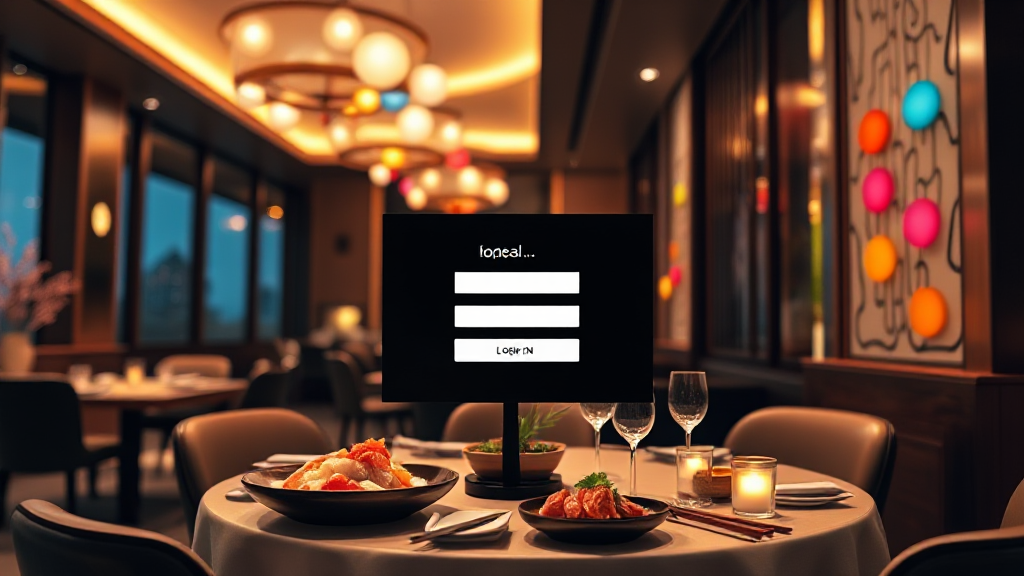
On the restaurant site, the phrase meme4d login refers to a login prompt that sits outside the dining content. It is a credential entry point, and it has no bearing on ordering sushi, viewing the menu, or booking a table.
Scope and definition
The term describes an authentication action: a visitor enters an identifier and a password to reach a gated area. The word ‘login’ is the operative part; the preceding token is a site label, not a description of the food or the service.
In practice, a login is a credential check. The site compares what you type against a stored account record, then either grants access or returns an error. Nothing about that exchange involves food, prices, or seating.
Readers who arrive at this entry expecting dining information should note the scope line: this page defines the term and nothing else. The restaurant’s actual menu, order flow, and reservation details live on separate pages.
Context on the restaurant site
The Flying Fish is a Japanese restaurant in Richmond Hill, and its public pages cover authentic sushi, sashimi, a new style of sushi, the menu, ordering, a gallery, and reservations. Those are the sections a diner uses.
The login prompt is a separate utility. It does not unlock the menu, change prices, or reserve a table. A diner never needs it to read the menu or place an order.
What the login is not
- It is not a reservation system; tables are handled through the reservations section.
- It is not a menu gate; the meme4d login label appears apart from the food pages.
- It is not a payment step for takeout orders.
If a page asks for credentials before showing sushi or sashimi details, that is a site-structure quirk, not a requirement of the restaurant. The dining content is meant to be read openly.
How to treat the term when you see it
- Read the surrounding page first; confirm whether it is a utility page or a dining page.
- If you only want the menu or a reservation, leave the login screen and use the public sections.
- If you genuinely hold an account, enter your credentials once and avoid re-entering them on pages that do not ask.
A common mistake is assuming the login is the entry point to the restaurant’s offerings. It is not. Another is treating the label as a brand name for the food; it is a utility label attached to an account screen.
For clarity, the term belongs to the site’s access layer, while the restaurant’s identity belongs to its kitchen and dining room. Keeping those two apart prevents confusion when you navigate the site.
Redirect line: for menu items, ordering, and reservations, use the restaurant’s public pages rather than the login screen.