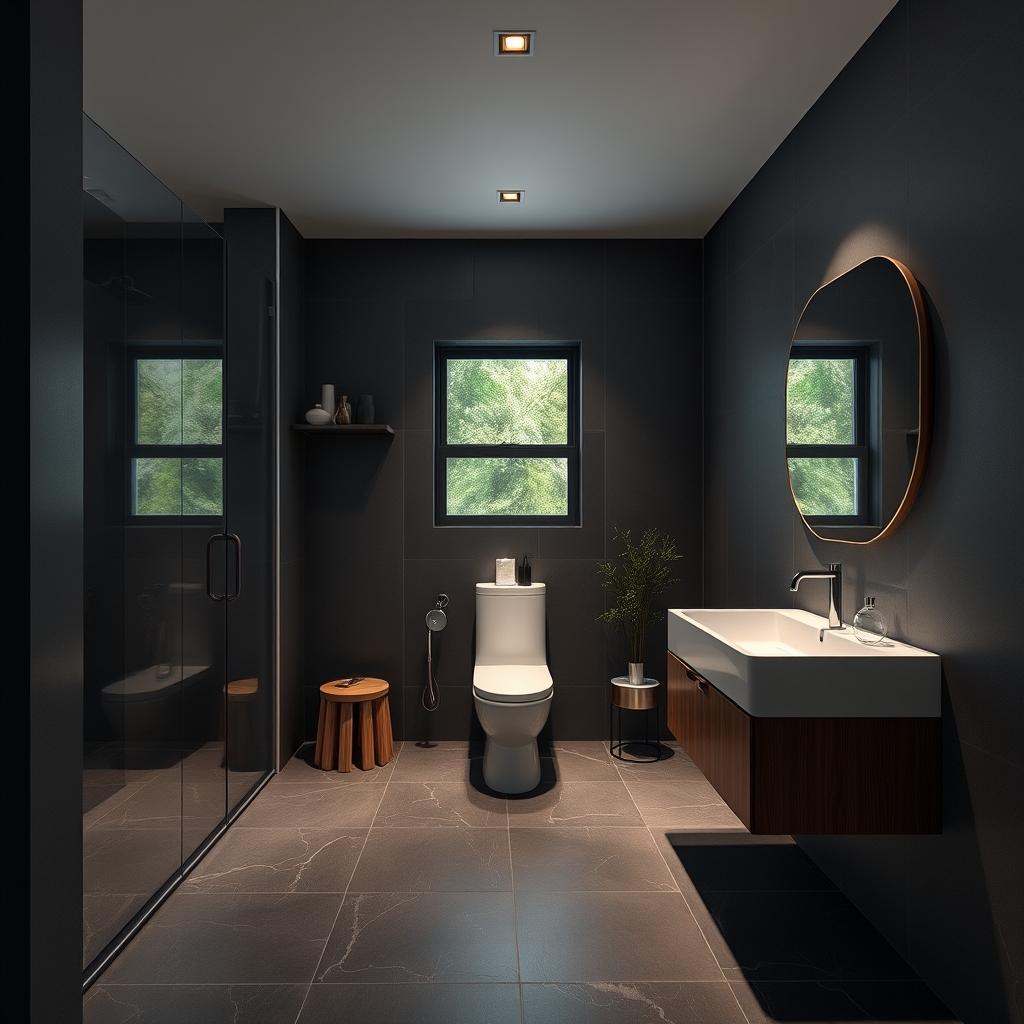
Bathroom Renovation Sydney: Transform Your Space with Expert Design and Craftsmanship
Bathroom Renovation Sydney: Transform Your Space with Expert Design and Craftsmanship
Learn more about Bathroom Renovation Sydney and how it applies to your specific needs.
Undertaking a project is one of the most impactful ways to enhance your home’s value, functionality, and aesthetic appeal. Whether you are refreshing a compact ensuite or completely overhauling a family bathroom, the process involves careful planning, skilled trades, and high-quality materials. From selecting the perfect tiles to optimizing plumbing layouts, every detail matters. In this comprehensive guide, we explore the key aspects of renovating your bathroom in Sydney—covering design trends, budgeting, hiring professionals, and more.
Why Invest in a Bathroom Renovation in Sydney?
Learn more about Bathroom Renovator and how it applies to your specific needs.
Bathrooms are among the most used spaces in any home. Over time, wear and tear from moisture, daily use, and outdated fixtures can make a bathroom feel cramped, inefficient, or unappealing. A well-executed project can dramatically improve your daily routine, increase property resale value, and reduce water bills through modern fixtures. In Sydney’s competitive real estate market, a renovated bathroom often becomes a key selling point. Beyond financial returns, a fresh bathroom offers a sanctuary for relaxation—think spa-like showers, heated flooring, and smart storage solutions.
Planning Your Bathroom Renovation
Successful renovations start with a clear plan. Begin by assessing your current bathroom: what works, what doesn’t, and what your dream bathroom looks like. Consider layout changes—moving a toilet or shower may require structural work and council approvals. Measure the space precisely and create a wish list of features. Budgeting is crucial; allocate funds for unexpected issues like water damage or outdated wiring. Research local Sydney suppliers for tiles, vanities, and tapware. A professional team can guide you through permits and ensure compliance with Australian standards. Remember to factor in a timeline—most bathroom renovations take 4–8 weeks depending on complexity.
Design Trends for Sydney Bathrooms
Sydney homeowners are embracing natural materials, minimalist aesthetics, and sustainable choices. Popular trends include large-format porcelain tiles (which reduce grout lines and create a seamless look), matte black or brushed brass fixtures, and freestanding bathtubs. Floating vanities offer a modern feel while making cleaning easier. Underfloor heating is increasingly common for year-round comfort. Earthy tones like terracotta, sage green, and warm beige contrast with crisp white. Smart technology—such as touchless taps, digital showers, and LED mirrors—adds convenience. For small bathrooms, pocket doors and wall-hung toilets save space. Incorporating greenery (like humidity-loving ferns) brings life to the room.
Choosing the Right Tiles and Surfaces
Tiles set the tone for your bathroom. Porcelain and ceramic remain top choices for their durability and water resistance. Natural stone (marble, travertine) adds luxury but requires sealing. Large slabs reduce grout lines and create a sleek appearance, while subway tiles offer a classic, timeless look. For floors, opt for slip-resistant tiles (R10 or higher rating). Consider mixing textures: glossy walls with matte floors. Feature walls behind vanities or in showers can incorporate mosaic patterns or vertical stacked tiles. Don’t forget about grout—epoxy grout resists staining and mould better than cement-based options. Always order 10–15% extra tiles for cuts and future repairs.
Plumbing, Electrical, and Ventilation
Behind the scenes, plumbing and electrical work must meet strict Australian codes. Relocating drains or adding new fixtures often requires a licensed plumber. Water-efficient taps and dual-flush toilets help conserve water—an important consideration in Sydney’s climate. Electrical work includes lighting placement, power points for shavers or toothbrushes, and exhaust fans. Adequate ventilation prevents mould and mildew; install a fan rated for the room size (minimum 25 litres per second). Consider natural light via skylights or frosted windows. For safety, all electrical outlets near water must have residual current devices (RCDs). A professional renovator will coordinate these trades seamlessly.
Hiring a Professional Renovator vs. DIY
While some homeowners attempt DIY to save money, bathroom renovations involve complex skills—tiling, waterproofing, plumbing, and electrical work. Mistakes can lead to costly leaks or structural damage. Hiring an experienced ensures quality workmanship, proper waterproofing (to AS 3740 standards), and project management. Professionals also have relationships with suppliers, often getting trade discounts on materials. For small cosmetic updates (painting, replacing hardware), DIY may be feasible. But for full renovations, the peace of mind and long-term value from expert installation outweigh the upfront cost. Always check credentials, insurance, and read reviews before hiring.
Budgeting and Cost Considerations
Bathroom renovation costs in Sydney vary widely based on size, scope, and material choices. A basic cosmetic update might start around $5,000–$10,000, while a high-end renovation with premium finishes can exceed $30,000. Typical breakdown: labour (40–50%), tiles and flooring (15–20%), fixtures (10–15%), vanity and cabinetry (10–15%), plumbing and electrical (10–15%), waterproofing (5–10%). Unexpected issues like rotted subfloors can add 10–20%. Get multiple quotes and ask for itemized estimates. Consider financing options if needed. Remember that investing in quality materials and skilled labour pays off in durability and resale value.
Sustainability and Eco-Friendly Choices
Learn more about House Renovations and how it applies to your specific needs.
Sydney homeowners are increasingly prioritising sustainability. Choose water-efficient fixtures (WELS 4-star or higher) to reduce consumption. LED lighting cuts energy use. Recycled glass benchtops, bamboo vanities, and low-VOC paints improve indoor air quality. Consider greywater systems that reuse shower water for gardens. Proper insulation behind walls and floors reduces heating costs. Some councils offer rebates for water-saving upgrades. An eco-friendly renovation not only lowers your environmental footprint but also appeals to eco-conscious buyers if you sell.
Navigating Permits and Regulations
In Sydney, bathroom renovations often require a development application (DA) or complying development certificate (CDC) if structural changes are involved. Minor like-for-like replacements usually don’t need approval, but altering plumbing, adding windows, or changing the building footprint does. Your renovator should handle council submissions. Ensure all work complies with the Building Code of Australia (BCA) and Australian Standards for waterproofing (AS 3740) and electrical safety (AS/NZS 3000). Failing to obtain permits can lead to fines and issues when selling the property.
Step-by-Step Renovation Process
A typical bathroom renovation follows these steps: 1) Demolition—removing old fixtures, tiles, and cabinetry. 2) Rough-in—plumbing and electrical work, adjusting pipe locations. 3) Waterproofing—applying membranes to wet areas, allowing to cure. 4) Tiling—installing floor and wall tiles, cutting around fixtures. 5) Installation—fitting vanity, toilet, shower screen, tapware, and accessories. 6) Finishing—painting, caulking, grouting, and cleaning. 7) Final inspection—checking all fixtures work, no leaks, and compliance. Throughout, communication with your renovator is key to staying on schedule and within budget.
Choosing the Right Vanity and Storage
Storage is often overlooked but critical for an organized bathroom. Wall-hung vanities create a sense of space and are easier to clean underneath. Opt for soft-close drawers, pull-out shelves, and integrated towel racks. Custom cabinetry can maximize awkward corners. Open shelving adds display space for toiletries or plants. Mirrored cabinets hide toiletries while reflecting light. For small bathrooms, consider recessed niches in shower walls for shampoos. A well-designed vanity can transform your daily routine.
Lighting and Ambiance
Layered lighting enhances both functionality and mood. Task lighting around mirrors (sconces or LED strips) eliminates shadows for grooming. Ambient lighting (recessed downlights or a central fixture) provides overall illumination. Accent lighting (under-vanity or toe-kick lights) adds a soft glow. Dimmers allow you to adjust brightness for a relaxing bath. In shower areas, use wet-rated fixtures. Natural light through windows or skylights reduces electricity use and makes the space feel larger. Plan lighting early to coordinate with electrical rough-ins.
Waterproofing: The Most Critical Step
Improper waterproofing is the leading cause of bathroom failures—leading to mould, rot, and structural damage. In Sydney, waterproofing must comply with AS 3740. Certified waterproofers apply liquid membranes or sheet membranes to floors and walls in wet areas (showers, baths, around basins). The process includes priming, applying multiple coats, reinforcing corners and joints, and flood testing for 24–48 hours. Never skip this step or cut corners. A reputable renovator will provide a waterproofing certificate and warranty.
Accessibility and Future-Proofing
Consider designing a bathroom that accommodates changing needs. Features like curbless showers, grab bars (reinforced in walls), wider doorways, and comfort-height toilets (450–480mm) make the space accessible for aging family members or those with mobility issues. Non-slip flooring and lever taps are safer for everyone. Future-proofing adds long-term value and avoids costly modifications later.
FAQs
How long does a typical bathroom renovation take in Sydney?
Most full renovations take 4 to 8 weeks, depending on the scope, availability of materials, and trades. Simple cosmetic updates may be completed in 2–3 weeks, while major structural changes can extend beyond 10 weeks.
Do I need council approval for a bathroom renovation?
Minor like-for-like replacements often don’t require approval. However, altering plumbing, moving walls, changing the building footprint, or adding windows usually requires a DA or CDC. Always check with your local council or a professional renovator.
What is the average cost of a bathroom renovation in Sydney?
Costs vary widely but typically range from $15,000 to $35,000 for a standard-sized bathroom. High-end renovations with premium materials and complex layouts can exceed $50,000. Get multiple itemised quotes for accurate budgeting.
How can I waterproof my bathroom properly?
Waterproofing must be done by a licensed professional following AS 3740. The process includes surface preparation, primer application, liquid or sheet membrane layers, reinforcement at joints, and flood testing. Never attempt DIY waterproofing.
In conclusion, a successful project requires careful planning, skilled trades, and attention to detail. By investing in quality materials, proper waterproofing, and professional expertise, you can create a beautiful, functional space that enhances your home for years to come. Whether you’re updating a small powder room or a master ensuite, the principles remain the same: design with purpose, budget realistically, and prioritise durability. Start your journey today by consulting with a trusted renovator who understands Sydney’s unique building requirements.